By Cole Brennan | Published: December 8, 2025 | Updated: June 1, 2026
Renting a car in Chile gives you freedom that buses and tours cannot match, but it also adds complexity. Road conditions vary dramatically, traffic rules are enforced differently than in North America or Europe, and the cost structure includes fees that rental companies do not always explain upfront. I have driven across Chile multiple times, from the Atacama to Patagonia, and this guide covers what you need to know before you hand over your credit card.
Do You Actually Need a Car?
In Santiago, a car is a liability. Traffic is dense, parking is expensive, and the metro covers most of the city. For city exploration, use public transport, taxis, or ride-hailing apps. You do not need a car until you leave the capital.
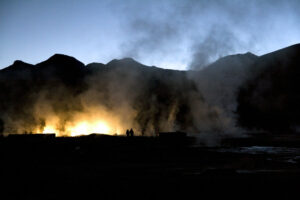
A car becomes useful in Patagonia, the Lake District, and parts of the Atacama where public transport is limited. In Torres del Paine, a car lets you move at your own pace instead of following tour schedules. In the Lake District, it opens up small towns and trailheads that buses do not reach. In the Atacama, it is less essential because most attractions are accessible via organized tours, but a car gives you flexibility for sunrise and sunset photography.
What You Need to Rent
The standard requirements are straightforward:
- Valid driver’s license: Your home country license is accepted for short-term rentals. If you are staying long-term, you should get a Chilean license, but tourists do not need one.
- Credit card: Rental companies hold a deposit, typically between 200 and 500 USD, on your card. Debit cards are rarely accepted for this.
- Passport: Required for identification and rental agreement.
- Minimum age: Usually 21, though some companies require 25 for certain vehicle categories.
International Driving Permits are not strictly required but can help if you are stopped by police. Carry one if your license is not in Spanish or English.
Costs Breakdown
Rental prices vary by season, location, and vehicle type. In Santiago, a compact car costs 40 to 70 USD per day. In Patagonia, prices rise to 80 to 120 USD per day during peak season, December to February. Booking in advance saves money, especially in Torres del Paine where inventory is limited.
Additional costs to factor in:
- Insurance: Basic coverage is included, but the deductible is high. Full coverage reduces the deductible but adds 15 to 30 USD per day. Given Chile’s road conditions, full coverage is worth considering.
- Additional driver: 5 to 10 USD per day if someone else will share driving duties.
- GPS: 5 to 10 USD per day. Your phone with downloaded maps works just as well and costs nothing.
- Child seats: Required by law for children under 8. Rental companies charge 5 to 15 USD per day.
- One-way fees: Dropping the car in a different city costs 50 to 150 USD, depending on distance.
Fuel Costs
Gasoline in Chile is expensive compared to the United States, roughly 1.30 to 1.50 USD per liter. Diesel is slightly cheaper. In remote areas like Patagonia, prices jump higher and stations are spaced far apart. Fill up whenever you see a station, especially in the Atacama and Patagonia where the next pump might be 200 kilometers away.
Road Conditions and Driving Culture
Chile’s main highways, the Ruta 5 and Ruta 68, are paved and well-maintained. Once you leave the main corridors, conditions change fast. Gravel roads are common in rural areas, and some Patagonian routes are unpaved for long stretches. A standard sedan handles most roads, but a 4×4 is recommended for Torres del Paine and some Atacama routes.
Chileans drive faster than the speed limit and pass aggressively on two-lane highways. Stay right, let faster cars pass, and do not take it personally. Speed limits are enforced with cameras on major roads, and fines are sent to the rental company, which charges your card plus an administrative fee.
Roundabouts are common in cities. Traffic inside the roundabout has the right of way. Use your turn signal when exiting. This is not optional, and local drivers expect it.
Tolls
Most highways around Santiago use electronic tolls. Rental cars come with a TAG device that records tolls automatically. The rental company bills you later, usually with a service fee. Tolls are not expensive, 1 to 5 USD per passage, but they add up on long trips.
In Patagonia and the south, some roads charge cash tolls at booths. Carry small bills and coins.
Parking
Parking in Santiago is expensive and scarce. Street parking is metered in most neighborhoods, and garages charge 2 to 5 USD per hour. In smaller cities, parking is easier and cheaper. In Patagonia, parking is usually free at trailheads and attractions.
Never leave valuables visible in the car. Break-ins are common in tourist areas, especially in Santiago and Valparaíso. Use hotel parking when available.
What to Do in Case of an Accident
Call the rental company immediately. They will guide you through the process. Take photos of the damage, the other vehicle, and the scene. Get a police report if another vehicle is involved. Chilean law requires you to stay at the scene until police arrive.
Do not admit fault at the scene. Let the insurance companies and police determine liability. Your rental agreement and insurance coverage dictate what happens next.
Final Recommendations
Rent a car if you are traveling outside Santiago and want flexibility. Book in advance for Patagonia during summer. Get full insurance if you are driving gravel roads. Fill up often in remote areas. And always check the car for existing damage before you drive away. Document everything with photos.
Before you hit the road, make sure you are covered. Our guide to Chile Travel Insurance Guide: What Coverage Do You Need breaks down the policies that actually protect you on Chilean roads and remote treks.

Cole Brennan is a travel writer and relocation advisor who has lived in Santiago, Chile since 2019. Before moving, he spent five years guiding group tours across Patagonia and the Atacama Desert. He now writes practical guides for travelers and expats based on firsthand experience navigating Chile’s visa systems, rental markets, and regional transport networks.