
By Adda Chile Editorial Team | Published: November 12, 2025 | Updated: August 18, 2026
Living costs in Chile vary significantly by city, neighborhood, household size, exchange rate, and lifestyle. Santiago generally has the widest range of housing and services, but desirable neighborhoods can be expensive. The figures below should be treated as planning estimates rather than fixed prices and checked against current local listings and quotes before making financial decisions.
Housing: The Biggest Expense
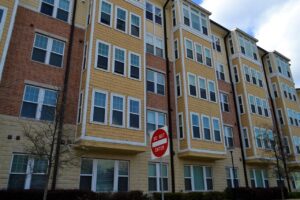
Rent is usually one of the largest household expenses. In Santiago, prices vary substantially by commune, building age, size, furnishing, and proximity to Metro stations. Providencia, Ñuñoa, and Las Condes commonly command higher rents than outer communes. Check current listings in Chilean pesos and confirm whether gastos comunes, parking, and utilities are included.
Housing can be less expensive outside Santiago, but the difference is not uniform. Valparaíso, Concepción, and Puerto Varas each have distinct rental markets, and prices can rise in central, coastal, tourist, or high-demand areas. Smaller markets may also offer fewer furnished or long-term options.
Utilities are often charged separately. Electricity, water, gas, heating method, building fees, household size, and seasonal use all affect the total. Winter heating can materially increase expenses, especially in poorly insulated homes. Compare current internet plans and ask a landlord or agent for recent utility and gastos comunes statements before signing a lease.
Food and Groceries
Grocery spending depends heavily on diet, household size, location, and where you shop. Produce from neighborhood markets may cost less than comparable supermarket purchases, while imported and specialty products often carry a premium. Compare prices in Chilean pesos rather than relying on fixed US-dollar estimates, which change with the exchange rate.
Restaurant prices vary widely by city, neighborhood, and service level. Casual picadas and weekday lunch offers advertised as menú del día or colación are often less expensive than evening dining, although what is included differs by restaurant. Review a current menu before using restaurant meals in a monthly budget.
Common quick meals include completos and empanadas. Prices and quality vary by vendor and location, so they should not be treated as a fixed low-cost meal category.
Transportation
Santiago’s Red Movilidad system integrates buses, Metro, and Tren Nos. As of August 18, 2026, the official adult fare is CLP 795 for buses, while Metro and Tren Nos fares range from CLP 735 to CLP 895 depending on the time of travel. Eligible transfers are included under the system’s time and route rules. There is no standard unlimited monthly bip! pass, so estimate monthly spending from the number and timing of expected trips. Taxi and ride-hailing prices vary with distance, traffic, and demand.
Car ownership adds fuel, insurance, registration, inspection, parking, toll, and maintenance costs. Fuel prices and exchange rates change frequently, while the usefulness of a car depends on the neighborhood, commute, and availability of public transport.
Long-distance buses serve many intercity routes, while flights can be practical for longer journeys. Fares vary by operator, booking date, service class, baggage, holidays, and season. Compare current prices in Chilean pesos for the exact travel dates rather than relying on fixed route estimates.
Healthcare
Chile has a mixed healthcare system comprising the public insurer FONASA and private insurers known as ISAPREs. Access, provider networks, coverage, copayments, and waiting times depend on the insurer, plan, facility, and treatment. Foreign residents should compare eligibility and coverage rather than assume one system is appropriate for everyone.
For contributing members, the statutory health contribution is generally 7% of taxable income, subject to the applicable legal ceiling. An ISAPRE plan may require an additional payment when its price exceeds that contribution. Consultation, specialist, and emergency copayments depend on the insurer, plan, provider network, coverage limits, and procedure, so request a current written quote or estimate before treatment when possible.
Short-term visitors should consider travel medical insurance with suitable emergency, evacuation, and pre-existing-condition terms. Long-term residents should check their immigration, employment, and contribution status to determine eligibility and obligations for FONASA or an ISAPRE; enrollment rules are not identical for every foreign national.
Entertainment and Lifestyle
Gym memberships, cinema tickets, drinks, wine, concerts, and theater can differ substantially by venue, neighborhood, membership term, promotion, and event. Use current local prices for discretionary spending and avoid assuming entertainment will be uniformly cheaper than in another country.
Some outdoor activities have little or no admission cost, but protected areas may charge entrance fees that vary by park, age, residency status, and booking method. Confirm current rules and prices with the responsible authority. Budget separately for transport, equipment, guides, and bicycle rentals where relevant.
Monthly Budget Examples
Frugal Lifestyle (Single, Santiago)
A frugal Santiago budget generally requires shared housing or a less central location, frequent home cooking, regular use of public transport, and limited discretionary spending. Build the total from current rent listings, gastos comunes, utility statements, transport fares, and healthcare eligibility rather than treating a single US-dollar total as reliable.
Comfortable Lifestyle (Single, Santiago)
A more comfortable Santiago budget may include a private apartment in a well-connected neighborhood, a mix of cooking and dining out, private healthcare costs where applicable, and regular entertainment. The total can change substantially with rent, gastos comunes, insurance coverage, and exchange-rate movements.
Comfortable Lifestyle (Single, Smaller City)
A smaller city may offer lower housing costs, but savings are not guaranteed and transport needs can be different. Compare actual rents, heating requirements, local healthcare access, and the possible cost of owning or using a car before setting a monthly total.
Money-Saving Tips
Compare produce prices at local markets and supermarkets, use public transport when practical, and check weekday colación offers. Favoring local products may reduce the cost of some purchases. Before withdrawing or exchanging money, compare the exchange rate, ATM charge, card-provider fee, and any dynamic currency conversion; neither an ATM nor an airport exchange counter is automatically the best-value option.
Before you commit to a budget, understand which city fits your lifestyle and income. Our guide to Best Cities to Live in Chile for Expats and Remote Workers compares costs and quality of life across Santiago, Valparaíso, and smaller cities.

The Adda Chile Editorial Team creates practical travel and relocation guides for people planning to visit, explore, or live in Chile. Our articles are developed through destination research, official information, local service references, and careful editorial review. We focus on making topics such as transportation, accommodation, itineraries, safety, visas, and everyday life in Chile easier to understand. Information that may change over time is reviewed and updated whenever reliable new details become available.