
Explore Chile by region, from the Atacama Desert and central wine country to the Lake District, Patagonia, Chiloé, and Rapa Nui, with practical planning tips.
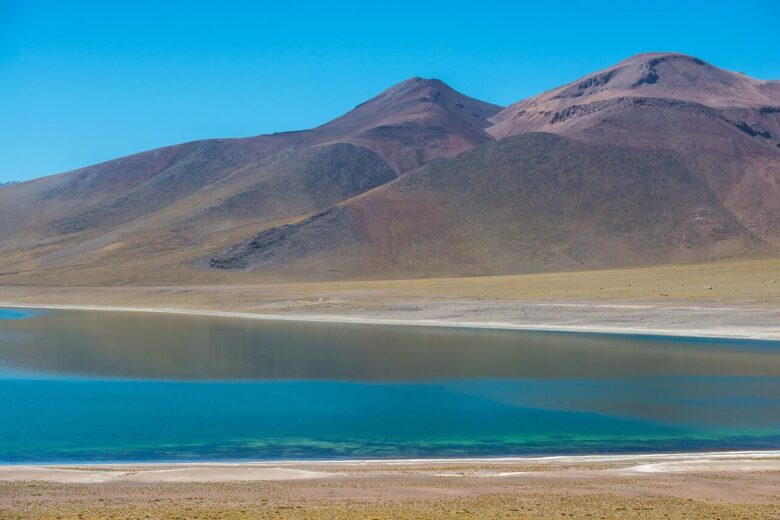
Explore Chile by region, from the Atacama Desert and central wine country to the Lake District, Patagonia, Chiloé, and Rapa Nui, with practical planning tips.
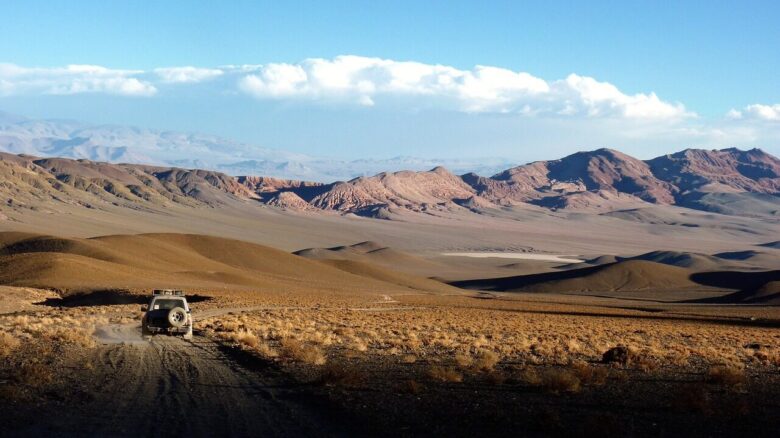
Pack smart for Chile: prepare for deserts, glaciers, cities, and coastlines with layered clothing, sun protection, sturdy shoes, travel documents, and essential health items.

Tip: Pay with a Bip! card or supported QR code across Red buses, Metro, and Tren Nos. Contactless Visa and Mastercard payments also work directly on Metro and Tren Nos, but not on Red buses.
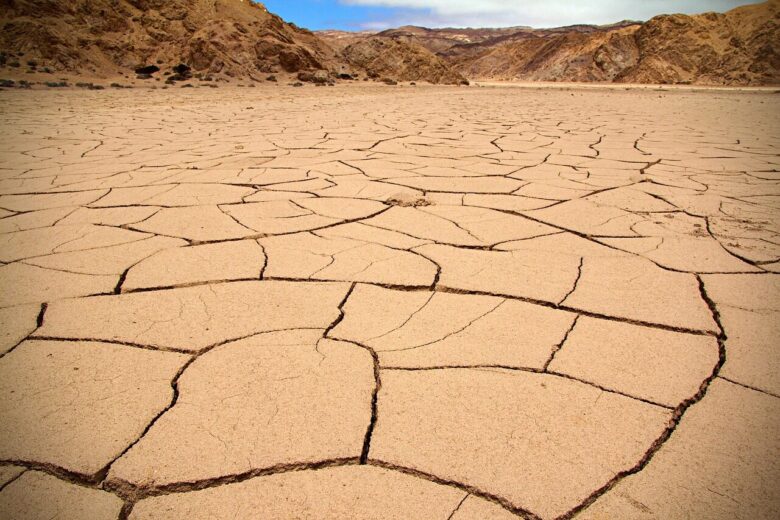
Moving to Chile requires selecting the appropriate SERMIG immigration subcategory, preparing residence documents and planning for identity, banking, housing and healthcare procedures.

A practical guide to Santiago’s best-known neighborhoods, traditional and modern food, markets, museums, Cerro San Cristóbal, and essential transport and safety tips.
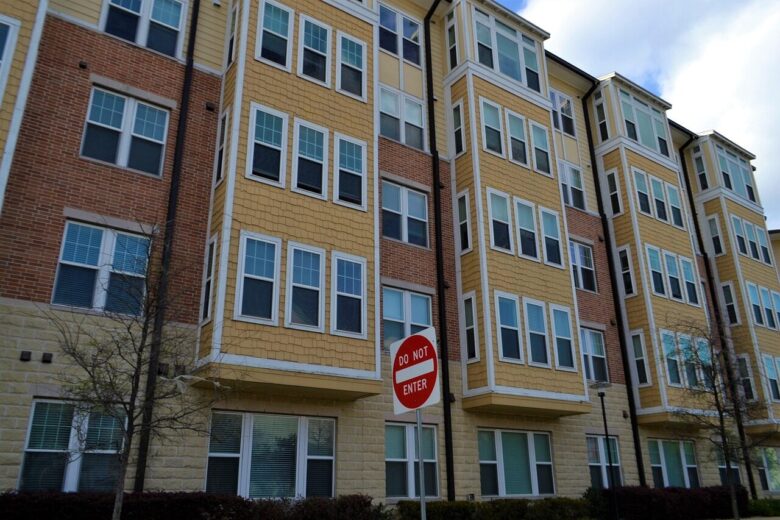
Renting in Chile may involve identity documents, proof of income, a guarantor, and costs beyond the advertised rent. Learn how to compare prices, review a lease, and verify a property before paying.
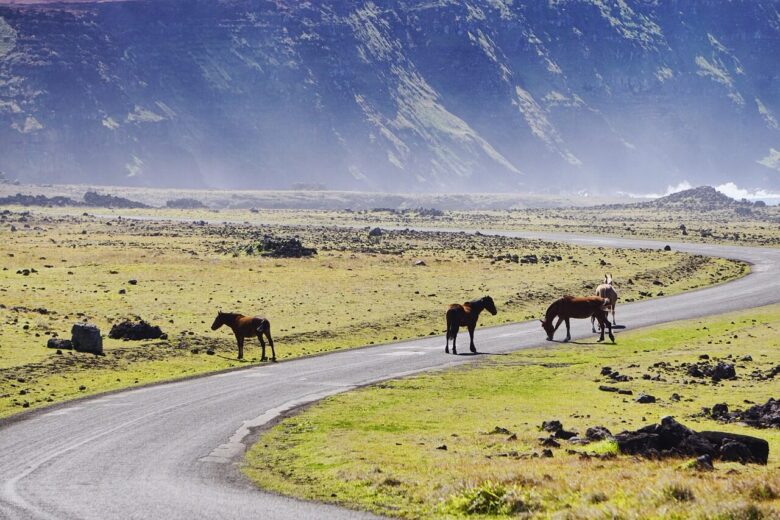
Santiago, Valparaíso, Viña del Mar, Concepción, La Serena, Puerto Varas, and Puerto Natales offer different combinations of connectivity, services, climate, and access to nature. Compare their practical advantages and trade-offs before choosing a base in Chile.
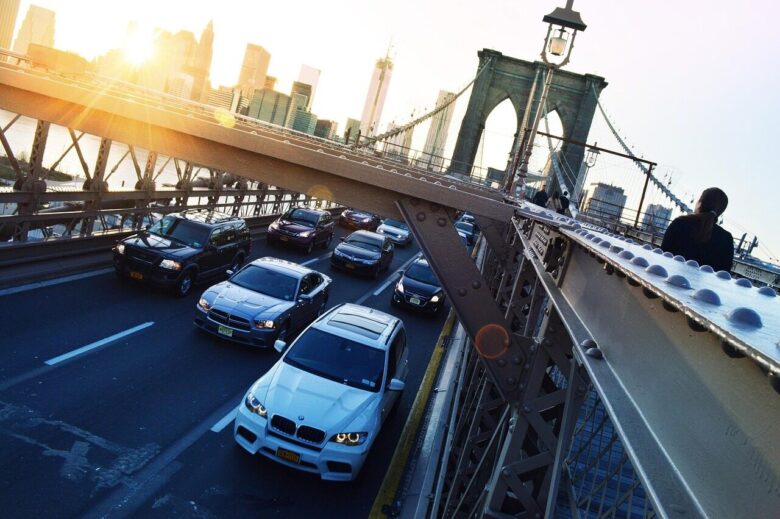
Renting a car in Chile can provide useful flexibility outside major cities, but the total cost may include insurance, deposits, tolls, fuel, and one-way fees. Review the licensing rules, rental contract, road conditions, and coverage exclusions before driving.
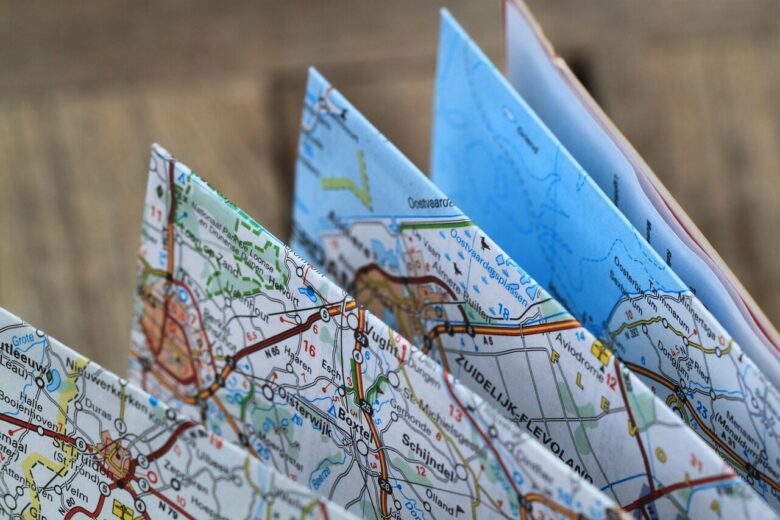
Plan by region: pair Santiago with Atacama, Patagonia, or the Lake District, allowing realistic time for flights, road transfers, weather and advance reservations.
Chile requires increased caution because of street crime, unrest and natural hazards. Learn practical precautions for transportation, earthquakes, remote travel and emergencies.