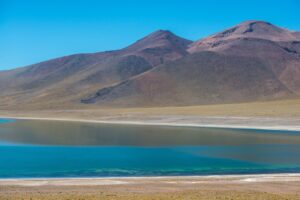
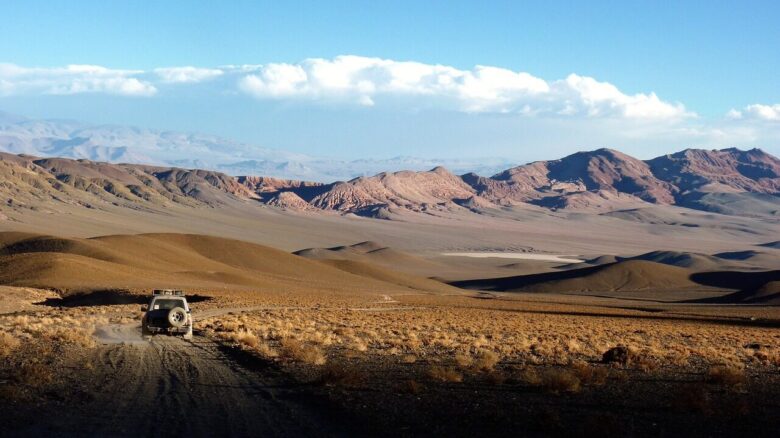
Chile stretches over 4,000 kilometers from the Atacama Desert to the glaciers of Patagonia. That geographic range makes packing for Chile genuinely difficult — and limits the usefulness of generic travel checklists. This guide covers what is worth carrying, what travelers may regret forgetting, and what can usually be bought locally instead.
Layering: The Only Clothing System That Holds Up
Chile does not have one climate — it has six. Even within a single region, weather can shift from blazing sun to sideways rain in under an hour, particularly in Patagonia and the Andes. The only reliable approach is a three-layer system: a moisture-wicking base layer, an insulating mid-layer, and a waterproof outer shell.
Base layers: Merino wool is worth the higher price. It resists odor after multiple wears, dries significantly faster than synthetic blends, and regulates body temperature across a wider range of conditions. Avoid cotton entirely. In the Lake District or any humid hiking environment, cotton absorbs moisture, loses insulation value, and takes hours to dry — a combination that can turn a damp afternoon into a genuinely cold problem.
Outer shell: Bring one shell that is truly waterproof — not water-resistant, not shower-proof. Patagonian rain is relentless, and the wind that comes with it will exploit any weakness in your gear. Look for something that compresses into its own pocket; the weight trade-off is worth it when the weather turns during a day hike and you need to pack or unpack quickly.
Mid-layer: A lightweight down or synthetic insulating jacket covers most situations. It works alone on cool evenings in Santiago and pairs under your shell for exposed ridge walks in Torres del Paine.
Footwear: Two Pairs, Chosen Carefully
Two pairs of shoes will handle virtually every situation Chile presents. More than two is wasted weight.
- Hiking boots: These handle the Atacama salt flats, volcano approaches, the W Trek, and any serious terrain. They must be waterproof and — this is critical — already broken in before you arrive. New boots on the W Trek produce blisters that can end your hike by day two. Wear them for at least 80 kilometers at home before you travel.
- Comfortable walking shoes: Lightweight trail runners or sneakers work well for Santiago’s neighborhoods, Valparaíso’s steep hills, and any day where you are not carrying a pack into the backcountry.
Sandals are optional and situational. They are useful for beach towns in the north and hostel shower rooms, but they are not a substitute for either of the above. In Atacama salt flat tours specifically, sandals fill with salt crystals within minutes — an uncomfortable and abrasive experience that ruins the excursion.
Sun Protection: More Serious Than You Expect
Chile sits below a documented zone of ozone depletion, and the UV intensity — particularly in the Atacama and at altitude in Patagonia — is measurably higher than in most countries travelers come from. This is not a generic warning to wear sunscreen. The burn risk on reflective surfaces like salt flats and glaciers is significant even on overcast days.
- Sunscreen SPF 50+: Bring more than you think you need. Sunscreen is available in Chilean pharmacies and supermarkets, but quality options in tourist areas are expensive and the selection thins out quickly in remote regions.
- Wide-brim hat: A packable sun hat protects ears, neck, and face — areas that get burned without the traveler noticing until evening.
- Polarized sunglasses: Essential on salt flats and snow. The glare off white surfaces is intense enough to cause eye pain after an hour of unprotected exposure.
- SPF lip balm: Small, lightweight, easy to forget, and miserable to go without. Wind and altitude dry lips fast, and sun exposure accelerates the damage. Pack two.
Electronics and Power Adapters
Chile uses two plug types: Type C (the standard European two-pin round plug) and Type L (a three-pin round plug in the Italian configuration). Most modern outlets in hotels and hostels accept Type C, but Type L appears frequently enough that a universal adapter covering both is the practical choice. Voltage runs at 220V — verify that your devices are dual-voltage before plugging in. Most smartphones, laptops, and camera chargers handle 100–240V without issue. Hair dryers, curling irons, and electric shavers often do not, and using them with an adapter but without a voltage converter will destroy the device.
A power bank in the 10,000–20,000mAh range is essential. Long-distance bus rides between regions can run 12 to 20 hours, and charging outlets are inconsistent even on better coach services. Remote trekking areas and rural guesthouses in the south frequently experience power outages. If you are planning multi-day treks without access to charging points, bring a second bank or a solar charging panel.
Documents and Money
Your passport should have at least six months of validity beyond your travel dates. Print physical copies of your flight itinerary, accommodation bookings, and travel insurance policy. Digital copies are convenient until your phone battery dies or you lose signal — which happens regularly in Patagonia and the Atacama. A laminated photocopy of your passport’s photo page carried separately from the original is worth the two minutes it takes to prepare.
On money: Chile is significantly more cash-dependent outside Santiago than most travelers expect. In smaller towns, rural areas, and national park facilities, cards are frequently not accepted. The practical approach is to withdraw Chilean pesos at ATMs in Santiago using a debit card that reimburses international withdrawal fees — options like Charles Schwab, Wise, or similar travel-oriented accounts. ATMs in remote regions are scarce, charge higher fees, and occasionally run out of cash during high season. Notify your bank before departure to prevent automated fraud holds on your card.
Health and First Aid Essentials
Chilean pharmacies (farmacias) are well-stocked and widely available in cities, but rural access is limited and brand names for common medications differ enough to cause confusion under stress. Carry a compact first aid kit that includes:
- Blister treatment pads (Compeed or equivalent) — non-negotiable for trekkers
- Anti-diarrheal medication
- Pain relievers and anti-inflammatories
- Any prescription medications in quantities that exceed your trip length by a few days, with a copy of the prescription
- Oral rehydration salts — useful at altitude and after long, hot days in the desert
Altitude sickness is a real concern in the Atacama, where many tours operate above 4,000 meters, and on certain Andean treks. Diamox (acetazolamide) is a prescription medication that reduces symptoms and is worth discussing with your doctor before departure. If you choose to use it, begin taking it 24 hours before ascending to high elevation. Regardless of medication, ascend gradually where itineraries allow, stay hydrated, and avoid alcohol on your first day at altitude.
What to Leave Behind
Packing light matters in Chile because you will move between regions — often by long-distance bus — and luggage storage at trailheads is limited. These are the items that consistently add weight without adding value:
- Formal clothing: Chilean culture is casual in almost every social setting. Unless you have specific business commitments, formal attire is dead weight.
- Multiple pairs of jeans: One is the maximum. Jeans are heavy, slow to dry, and genuinely uncomfortable in the humid heat of northern Chile or on warm city days.
- Physical books: A Kindle or a phone loaded with downloaded reading material weighs a fraction of even one paperback and holds an entire library.
- Full travel pillow and sleep kit: Long-distance buses in Chile — particularly the major coach companies — are significantly more comfortable than the overnight transport in most of Southeast Asia or South America. Semi-reclining seats and blankets are standard. A neck pillow is personal preference; the rest is unnecessary bulk.
Final Practical Notes
The underlying principle is to pack for versatility across climates rather than completeness for every scenario. Laundry services (lavanderías) are inexpensive and easy to find throughout Chile, including in smaller towns. Items you realize you need after arrival are almost always available in Santiago at reasonable prices. The goal is a bag light enough that it does not slow you down on a gravel trail or a crowded bus — and smart enough that you are not hunting for gear in a remote village.
Once your bag is ready, the next step is mapping where it will actually take you. Our guide to Best Places to Visit in Chile for First-Time Travelers breaks down the regions that matter most for building a practical itinerary.
The Adda Chile Editorial Team creates practical travel and relocation guides for people planning to visit, explore, or live in Chile. Our articles are developed through destination research, official information, local service references, and careful editorial review. We focus on making topics such as transportation, accommodation, itineraries, safety, visas, and everyday life in Chile easier to understand. Information that may change over time is reviewed and updated whenever reliable new details become available.