
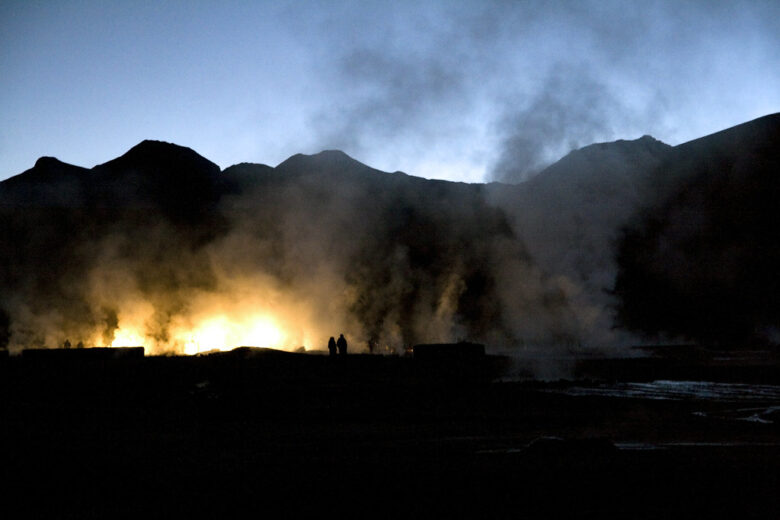
Chile tourist attractions span one of the most geographically diverse countries on Earth — from the driest desert in the world to ancient glaciers, colonial cities, and volcanic peaks. Whether you have one week or one month, the challenge isn’t finding something to do; it’s deciding what to prioritize. This guide cuts through the noise …

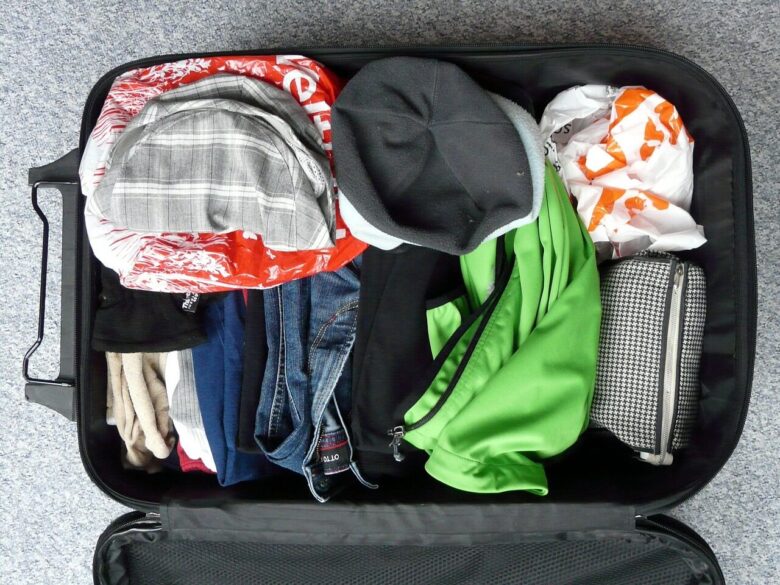
Pack smart for Chile: prepare for deserts, glaciers, cities, and coastlines with layered clothing, sun protection, sturdy shoes, travel documents, and essential health items.

Tip: Buy or load a Bip! card at Metro stations, then use it on trains and Red buses. Check routes in apps and tap in when boarding; transfers are time-limited.
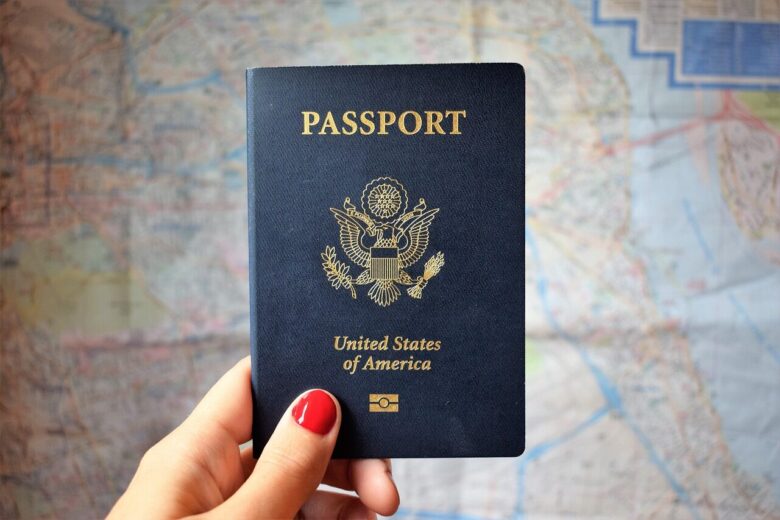
Moving to Chile starts with choosing the right visa, budgeting for housing and healthcare, and understanding local paperwork, banking, and residency rules before you arrive.
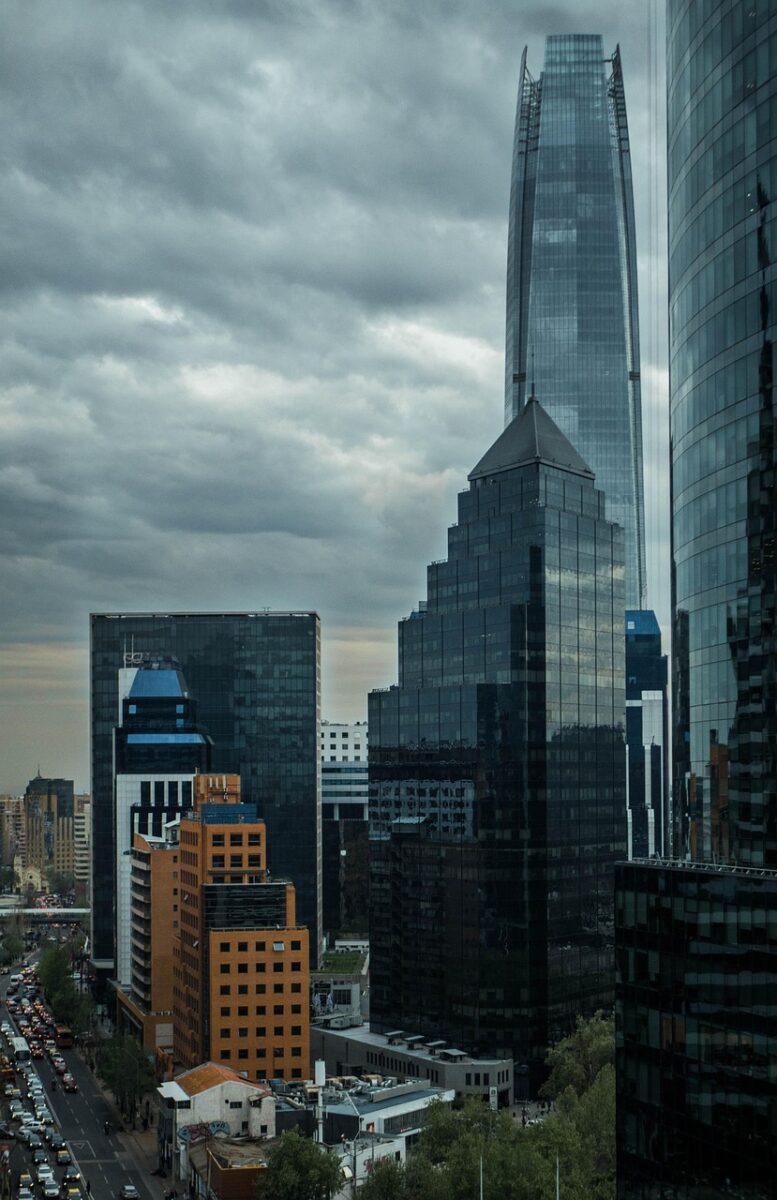
Santiago blends Andean views with polished neighborhoods, vibrant markets, and standout dining-ideal for choosing smart stays, memorable meals, and essential city explorations.

Renting in Chile often requires ID, proof of income, and a guarantor. Compare comuna prices, confirm utilities, and review lease terms before paying deposits.
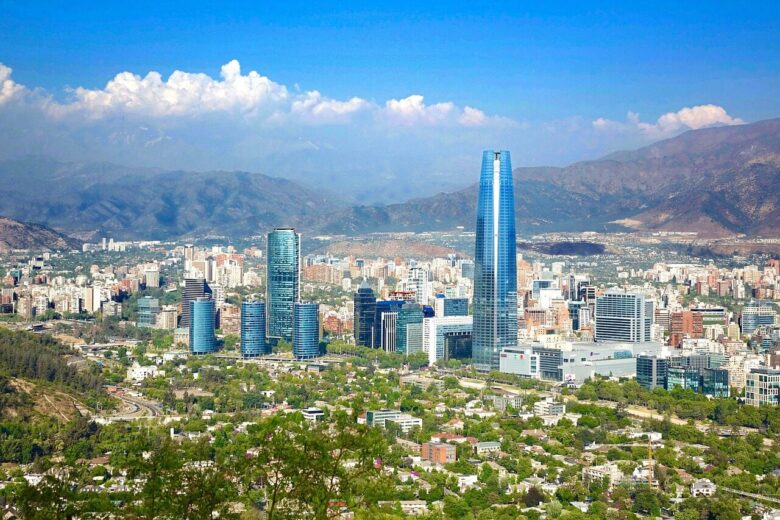
Santiago, Valparaíso, Viña del Mar, and Puerto Varas stand out for expats, offering reliable connectivity, varied lifestyles, and access to Chile’s strongest job and leisure hubs.

Renting a car in Chile offers flexibility, but factor in insurance, tolls, fuel, and one-way fees. Carry your license, obey speed limits, and plan for mountain or gravel roads.
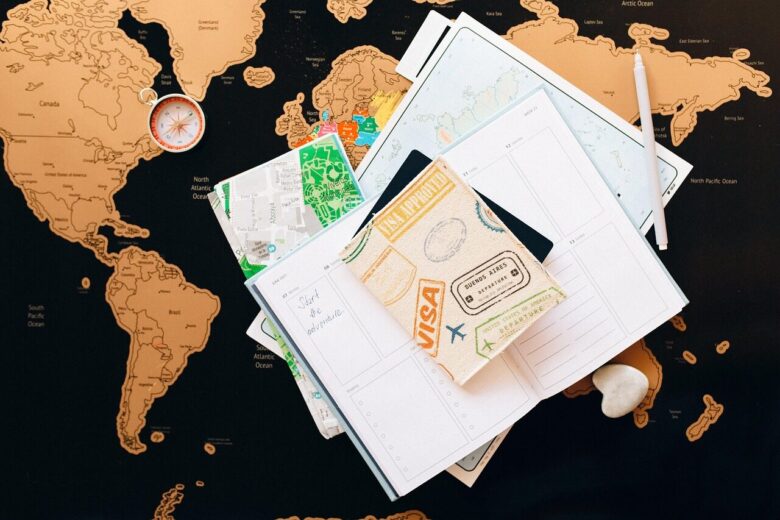
Plan by region: pair Santiago with one far-flung highlight-Atacama, Patagonia, or the Lakes-then book internal flights early to avoid losing days to transfers.

Chile is generally safe for tourists, but first-time visitors should watch for pickpockets in busy areas, use licensed taxis, and stay alert in Santiago and Valparaíso.