By Adda Chile Editorial Team | Published: November 5, 2025 | Updated: June 11, 2026
Chile is a popular tourist destination, but visitors should not treat it as risk-free. Street crime occurs in tourist areas, demonstrations can disrupt travel, natural hazards are real, and remote regions require careful preparation. This guide explains the main risks and practical precautions for first-time visitors.
Crime: What Happens and Where
Pickpocketing, bag snatching and phone theft are common concerns for visitors, and robberies and other violent crimes can also occur. Stay alert in crowded places, on public transportation and around major tourist sites, and do not physically resist a robbery.
Pickpocketing and theft are reported around Santiago tourist sites including Plaza de Armas and Mercado Central. Keep your phone and camera secured, carry bags zipped and in front of you, and do not leave belongings on tables, floors, chairs or the backs of seats in restaurants.
Use added caution in Valparaíso during both the day and evening, particularly on quiet streets, hillsides and around the port. Stay on busy, well-lit routes, avoid displaying valuables and use regulated transportation rather than walking through unfamiliar or isolated areas after dark.
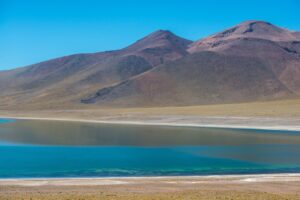
Environmental hazards are especially important in Patagonia and the Atacama, but theft can still occur, including on buses and around transport hubs. Secure valuables and prepare for altitude, severe weather and limited services in remote areas.
Scams to Watch For
One reported distraction tactic involves someone spilling or spraying a substance on your clothing while an accomplice targets your belongings. If this happens, keep moving, secure your bags and decline help from strangers.
Use regulated taxis or lawful ride-share services and avoid unlicensed drivers. For a metered street taxi, confirm that the meter is operating before the trip begins; if it is not, choose another authorized vehicle.
At Santiago Airport, arrange taxis, transfers or buses through the designated official transport counters and boarding areas. Do not accept unsolicited offers from unauthorized drivers, and confirm the service and price before departure.
Natural Hazards
Chile’s geography creates risks that many tourists underestimate. The Atacama Desert sits at high altitude. San Pedro de Atacama is at 2,400 meters, and many excursions go above 4,000. Altitude sickness is real and can affect anyone, regardless of fitness. Symptoms include headache, nausea, and shortness of breath. Move slowly, drink water, and avoid alcohol for the first 48 hours.
Patagonian weather is unpredictable. Wind speeds can exceed 100 kilometers per hour, and temperatures drop fast. Hypothermia is a risk if you are caught in the rain without proper gear. Always carry a waterproof shell and extra layers, even on days that start clear.
Earthquakes are common in Chile. During shaking, stay calm and protect yourself in a designated seismic protection place, away from windows and objects that could fall. Evacuate immediately if the building is adobe, self-built or not earthquake-resistant; otherwise, follow the building’s emergency plan. Use stairs rather than elevators when evacuating. If a strong coastal earthquake makes it difficult to remain standing, move immediately toward a marked tsunami meeting point or safety area.
Health and Medical Care
Medical facilities and available services vary by location, with more options in Santiago than in remote areas. Do not assume English-speaking staff will always be available. Travel insurance with suitable medical and evacuation coverage is strongly recommended, especially for remote trekking.
Tap water is safe to drink in Santiago and most major cities. In rural areas, stick to bottled water as a precaution. Food hygiene is generally good, but street food carries the same risks as anywhere. If you have a sensitive stomach, start with cooked foods and avoid raw vegetables from street vendors.
Transportation Safety
Long-distance buses are widely used in Chile, but theft can occur aboard buses and at terminals. Keep passports, money, phones and other valuables with you rather than in checked luggage, and verify the identity of anyone claiming to be a bus employee before handing over belongings.
Several airlines operate domestic flights in Chile. Weather and other operational conditions can disrupt schedules, particularly on routes serving remote southern destinations, so allow flexibility for onward connections.
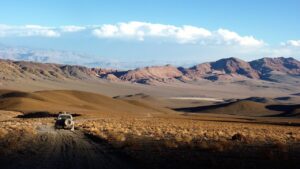
If renting a car, drive defensively and confirm the road conditions, toll arrangements and insurance terms before departure. Some remote or gravel routes may require a suitable high-clearance or four-wheel-drive vehicle. Avoid rural night driving when poor lighting, animals, weather or unfamiliar road conditions would make the journey unsafe, and never leave luggage visible or unattended in the vehicle.
Safety Tips for Solo Travelers
Solo travelers should keep phones and valuables secure, avoid walking alone late at night in unfamiliar areas, and share itineraries and expected return times before entering remote areas. Use registered tourism providers for guided or adventure activities.
Solo female travelers may encounter harassment and should avoid assuming that an incident will not escalate. Move toward a busy or staffed place if you feel unsafe, contact a trusted person, and call emergency services if you are threatened or followed.
Emergency Numbers
- Police (Carabineros): 133
- Ambulance: 131
- Fire: 132
Save these numbers before arrival. For immediate police assistance, call Carabineros on 133; do not assume that an English-speaking operator will be available.
Before you travel, make sure you understand what your insurance actually covers. Our Chile Travel Insurance Guide: What Coverage Do You Need breaks down the policies that protect you against medical emergencies, trip cancellations, and evacuation costs.
The Adda Chile Editorial Team creates practical travel and relocation guides for people planning to visit, explore, or live in Chile. Our articles are developed through destination research, official information, local service references, and careful editorial review. We focus on making topics such as transportation, accommodation, itineraries, safety, visas, and everyday life in Chile easier to understand. Information that may change over time is reviewed and updated whenever reliable new details become available.