
By Cole Brennan | Published: December 1, 2025 | Updated: June 3, 2026
Chile is not just Santiago. The country stretches from desert to glacier, and each region offers a different version of life. For expats and remote workers, the choice of city shapes everything: cost of living, internet reliability, social life, and access to nature. I have lived in Santiago, spent months in Valparaíso, and guided tours through every major region. This is an honest breakdown of where expats actually thrive, not just where the postcards look good.
Santiago: The Default Choice
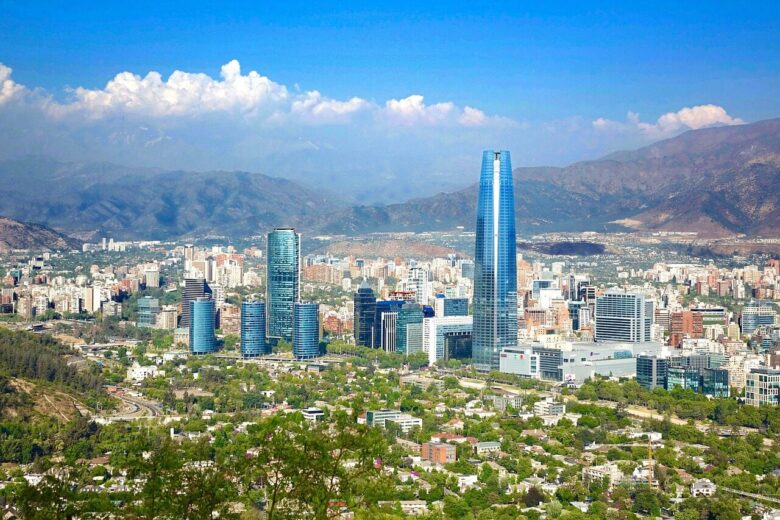
Santiago is where most expats land first, and for good reason. It has the best infrastructure, the fastest internet, the most international community, and the widest range of jobs. The metro is reliable, the healthcare is excellent, and you can find anything from Peruvian ceviche to Korean barbecue within a few blocks.
The downsides are real. Air pollution is severe in winter, traffic is relentless, and the cost of living is the highest in the country. Rent for a one-bedroom apartment in a decent neighborhood runs 500 to 800 USD. A comfortable single lifestyle costs 1,200 to 1,800 USD per month.
Santiago works best for remote workers who need reliable connectivity, professionals with local job offers, and anyone who wants a social life without learning Spanish immediately. It is also the best base for weekend trips to the coast, the mountains, or wine country.
Valparaíso: The Creative Alternative
Valparaíso is Santiago’s coastal counterpart, an hour and a half away by bus. It is cheaper, more colorful, and far more relaxed. The hills are covered in murals, the port still functions, and the artistic community is active. For remote workers who do not need daily meetings or lightning-fast internet, Valparaíso offers a quality of life that Santiago cannot match.
Rent is 30 to 40 percent lower than Santiago. A one-bedroom in a good neighborhood costs 300 to 450 USD. The trade-offs are infrastructure, the hills are steep, the metro connection is limited, and some areas have safety concerns after dark. Internet is decent but not as consistent as in the capital.
Valparaíso suits writers, artists, and remote workers with flexible schedules. It is not ideal if you need to be in Santiago regularly. The commute is doable but tiring after a few months.
Viña del Mar: The Beach Option
Next to Valparaíso, Viña del Mar is cleaner, more organized, and more expensive. It is Chile’s most popular beach city, with a long promenade, shopping centers, and a calmer atmosphere. The expat community is smaller than Santiago’s but larger than Valparaíso’s.
Rent is comparable to Santiago’s cheaper neighborhoods. The beach is the main draw, but the water is cold year-round. Viña works for people who want coastal living without Valparaíso’s chaos. It is also popular with retirees who prioritize comfort and safety.
Concepción: The University City
Concepción is Chile’s second-largest city, a university town with a young population and a strong cultural scene. It is cheaper than Santiago, more laid-back, and surrounded by forests and rivers. The cost of living is roughly 60 percent of Santiago’s.
The downside is isolation. Concepción is eight hours south of Santiago by bus. Flights exist but are limited. The city is self-sufficient, but you will not get the international connectivity or variety of the capital. It suits academics, students, and remote workers who want a slower pace.
La Serena: The Desert Coast
La Serena is a coastal city in the north, known for its beaches, clear skies, and proximity to the Elqui Valley. It is warmer than Santiago, drier, and significantly cheaper. The expat community is small, which means you will need Spanish to function socially.
The city is quiet. Too quiet for some. Nightlife is limited, and the job market is narrow. But for remote workers who want sun, low costs, and easy access to stargazing and wine tourism, La Serena is a strong option. Rent for a one-bedroom is 250 to 400 USD.
Puerto Varas: The Lake District
Puerto Varas sits on the shores of Lake Llanquihue, with volcanoes in the background and a German-influenced architectural style. It is picturesque, safe, and surrounded by outdoor activities. The Lake District is one of the most beautiful regions in Chile, and Puerto Varas is the most accessible base.
The cost of living is moderate. Rent is cheaper than Santiago but more expensive than La Serena or Concepción. Internet is reliable enough for remote work, and the town has a small but growing expat community. The main limitation is distance. Puerto Varas is 16 hours from Santiago by bus, and flights to the nearest airport are limited.
This is the best choice for nature lovers who want hiking, kayaking, and skiing within easy reach. It is not ideal if you need frequent international travel or a large social circle.
Puerto Natales: The Patagonia Base
Puerto Natales is the gateway to Torres del Paine. It is small, remote, and heavily seasonal. In summer, the town fills with trekkers and tour guides. In winter, it empties out and many businesses close. Rent is cheap in the off-season but inflated during peak months.
Internet is functional but not fast. The town is isolated, and the nearest city is a four-hour bus ride. Puerto Natales is best for seasonal workers in tourism, photographers, and writers who want isolation and dramatic scenery. It is not a practical long-term base for most remote workers.
How to Choose
Start with your priorities. If you need reliable internet and a social life, choose Santiago. If you want lower costs and coastal living, choose Valparaíso. If you want nature and do not mind distance, choose Puerto Varas. If you want warmth and quiet, choose La Serena.
Visit before committing. Chile is long, and each city has a distinct character. A week in each place will tell you more than any guide.
Once you choose a city, the next step is finding a place to live. Our guide to Renting an Apartment in Chile: Documents, Prices, and Tips explains the documentation, contracts, and costs you need to prepare for.

Cole Brennan is a travel writer and relocation advisor who has lived in Santiago, Chile since 2019. Before moving, he spent five years guiding group tours across Patagonia and the Atacama Desert. He now writes practical guides for travelers and expats based on firsthand experience navigating Chile’s visa systems, rental markets, and regional transport networks.