By Cole Brennan | Published: November 10, 2025 | Updated: June 12, 2026
Moving to Chile is not complicated, but it is layered. The visa process, housing market, banking system, and cultural adjustment each require attention, and none of them move quickly. I made the move in 2019 after five years of guiding tours here, and I still learn new things about how the system works. This guide covers the practical steps from visa application to your first month in the country.
Choosing the Right Visa
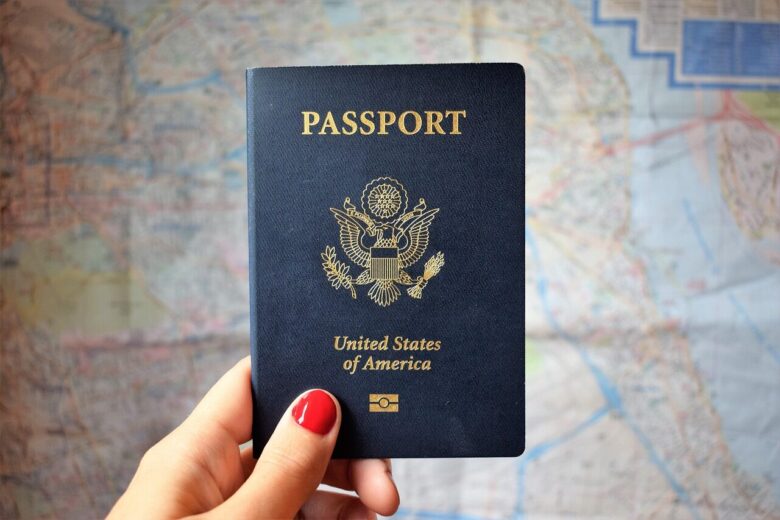
Chile offers several visa categories for foreigners, and picking the wrong one wastes time and money. The most common options are:
- Tourist visa: Valid for 90 days, extendable once for another 90 days. No work allowed. This is the starting point for most people who want to test the waters before committing.
- Work visa: Requires a job offer from a Chilean employer. The company sponsors the visa, and the process takes two to four months. You cannot work legally on a tourist visa.
- Retirement or rentista visa: For people with passive income or savings. You must prove a monthly income of approximately 1,200 USD or equivalent savings. This is the most common path for remote workers and retirees.
- Student visa: For enrolled students at recognized Chilean institutions. Allows limited part-time work.
Apply at the Chilean consulate in your home country. The requirements vary slightly by consulate, so check the specific website for your region. Processing times range from three weeks to three months.
Arriving and Getting Started
Once you arrive on a visa that allows residency, your first stop is the Extranjería, the immigration office. You need to register, get a RUT number, and apply for a temporary residency card. The RUT is your Chilean identification number. You need it for everything: renting an apartment, opening a bank account, getting a phone plan, and signing any contract.
The process is bureaucratic. Bring every document you have, translated and apostilled if required. Make copies. The Extranjería offices are crowded, and appointments are booked weeks in advance. Online scheduling is available but not always reliable.
Opening a Bank Account
Chilean banks are conservative. Opening an account as a foreigner requires a RUT, proof of address, and sometimes a minimum deposit. BancoEstado is the most accessible for newcomers, but the lines are long. Banco de Chile and Santander offer better service but stricter requirements.
Online banking is functional but not as smooth as in Europe or North America. Transfers between banks cost fees, and international wire transfers are expensive. Most expats keep a foreign account for international transactions and a local account for daily life.
Finding Housing
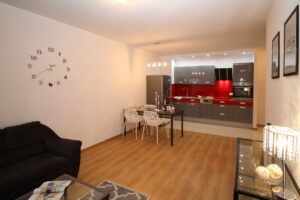
The rental market in Santiago is competitive. Landlords typically require a RUT, proof of income, and sometimes a guarantor. Short-term furnished rentals are easier to secure but cost more. Facebook groups, local real estate sites like Portalinmobiliario, and word of mouth are the main channels.
Outside Santiago, the process is more relaxed but the inventory is smaller. In smaller cities, landlords may accept informal arrangements. Always get a written contract, even if it is basic. Verbal agreements in Chile are common but not enforceable when problems arise.
Healthcare
Chile has a dual healthcare system: public (FONASA) and private (ISAPRE). Most expats choose ISAPRE for faster service and English-speaking doctors. Monthly premiums vary by age and plan, but expect to pay between 100 and 300 USD. Pre-existing conditions may affect your eligibility or premium.
Emergency care is available at public hospitals regardless of insurance, but the wait times are long. Private clinics are faster and more comfortable. Register with a local clinic as soon as you have your RUT.
Learning Spanish
English is not widely spoken outside tourist areas and upscale neighborhoods. Basic Spanish is not optional if you plan to live here long-term. Santiago has language schools, but immersion is the fastest method. Practice with neighbors, shopkeepers, and taxi drivers. Chilean Spanish is fast, full of slang, and initially intimidating, but locals are patient with learners who make an effort.
Cultural Adjustment
Chilean culture values personal relationships in business. Cold emails and formal applications often go unanswered. A personal introduction or a face-to-face meeting opens doors faster than any document. Time is flexible. Appointments start late, and deadlines are suggestions more than rules.
The social scene revolves around family, food, and long conversations. Dinner starts late, often after 9:00 PM. Weekends are for asados, family gatherings, and outdoor activities. Integrating takes time, but Chileans are warm once you break through the initial reserve.
First Month Checklist
- Get a local SIM card (Movistar, Entel, or WOM)
- Register for a RUT at the Extranjería
- Open a bank account
- Find temporary housing while you search long-term
- Enroll in ISAPRE or FONASA
- Learn the metro system
- Find a local grocery store and pharmacy
Before you commit to a city, understand what it costs to live here. Our guide to Cost of Living in Chile: What Foreigners Should Know breaks down the real monthly expenses across different cities and lifestyles.

Cole Brennan is a travel writer and relocation advisor who has lived in Santiago, Chile since 2019. Before moving, he spent five years guiding group tours across Patagonia and the Atacama Desert. He now writes practical guides for travelers and expats based on firsthand experience navigating Chile’s visa systems, rental markets, and regional transport networks.