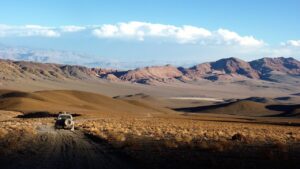
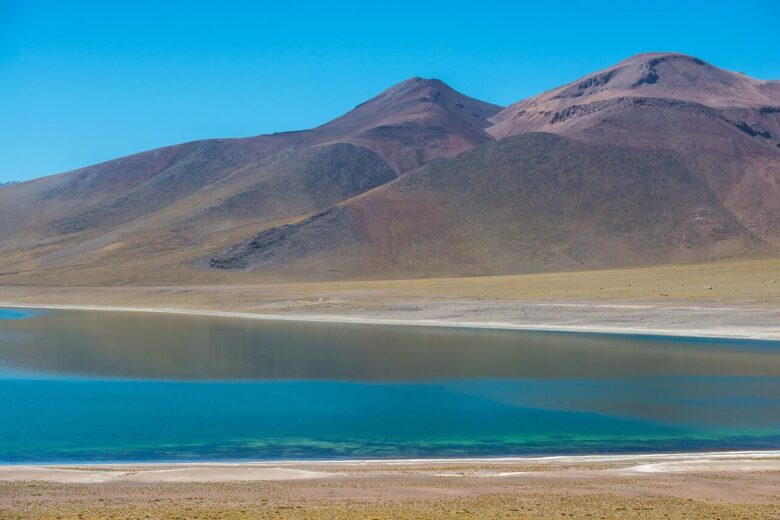
Chile tourist attractions span one of the most geographically diverse countries on Earth — from the driest desert in the world to ancient glaciers, colonial cities, and volcanic peaks. Whether you have one week or one month, the challenge isn’t finding something to do; it’s deciding what to prioritize. This guide cuts through the noise and focuses on what’s genuinely worth your time, based on how different travelers experience the country.
Chile stretches over 4,300 kilometers from north to south, meaning climate, landscape, and culture shift dramatically depending on where you are. A traveler who only visits Santiago misses roughly 90% of what makes Chile extraordinary. On the other hand, trying to cover everything in two weeks leads to exhaustion and superficial experiences. The key is matching destinations to your travel style — and this article gives you the framework to do exactly that.
The Most Iconic Chile Tourist Attractions by Region
Chile divides naturally into distinct travel zones, each with a completely different feel. Here’s what stands out in each area:
Northern Chile (Atacama Desert): San Pedro de Atacama is the base for exploring salt flats, the El Tatio geyser field, and Valle de la Luna. San Pedro sits at about 2,400 meters, while several popular excursions climb much higher, so allow time to acclimatize and avoid scheduling the most strenuous high-altitude activities immediately after arrival.
Central Chile (Santiago + surroundings): The capital offers world-class museums, vibrant neighborhoods like Bellavista and Lastarria, and easy access to wine country in the Maipo and Colchagua valleys. Valparaíso, just 1.5 hours away, adds street art, funiculars, and coastal scenery to any itinerary.
Lake District and Araucanía: Puerto Montt in the Los Lagos Region and Pucón in the Araucanía Region serve as gateways to volcanic landscapes, lakes, and hot springs. Guided ascents of Villarrica Volcano may be available when volcanic activity, weather, and official access conditions permit.
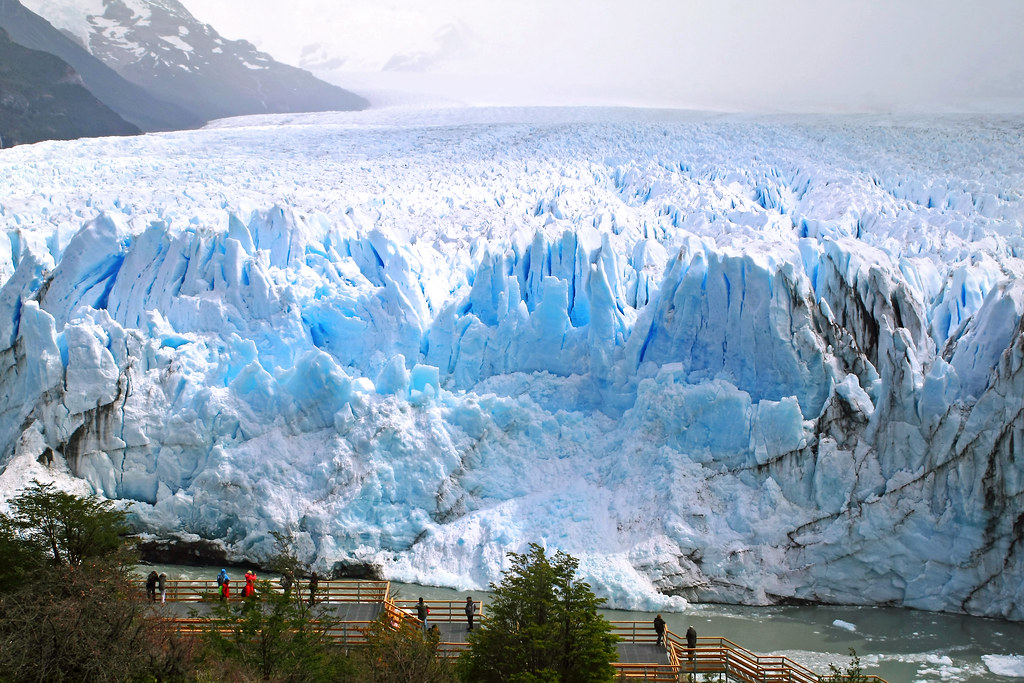
Patagonia (Torres del Paine + surroundings): Torres del Paine National Park is one of Chile’s best-known destinations for international visitors. The W Trek and O Circuit are its principal multi-day routes, with duration depending on the itinerary. Accommodation, campsites, park entry, and any required services should be reserved well in advance for the busiest summer period.
Easter Island (Rapa Nui): A flight from Santiago opens a completely different world — Polynesian culture, moai statues, and some of the clearest night skies on the planet. It’s expensive but genuinely unlike anything else in South America.
How to Choose: Match Destinations to Your Travel Style
Rather than a vague “it depends,” here’s a concrete decision framework:
| Travel Style | Best Destination | Avoid If |
|---|---|---|
| Adventure / Trekking | Torres del Paine, Pucón | You dislike unpredictable weather |
| Culture / History | Santiago, Valparaíso, Easter Island | You have very limited budget |
| Nature / Landscapes | Atacama Desert, Lake District | You have altitude sensitivity (Atacama) |
| Food & Wine | Santiago, Colchagua Valley | You prefer off-the-beaten-path only |
| Wildlife | Chiloé Island, Patagonia coast | You need fast connectivity |
Underrated Experiences Most Visitors Skip
The most popular Chile tourist attractions are well-covered online. What gets less attention are the experiences that often become traveler favorites:
Chiloé Island: Located in southern Chile, this island has a distinct culture shaped by isolation — unique wooden churches (UNESCO World Heritage), palafitos (houses on stilts), and a mythology unlike anywhere else in the country. It’s rarely crowded and frequently overlooked by short-trip travelers.
Elqui Valley: In the Norte Chico region, this valley is famous for pisco production, stargazing (some of the best in the world due to clear skies and high altitude), and a surprisingly green landscape in an otherwise arid area.
Carretera Austral: This highway runs for more than 1,200 kilometers through Chilean Patagonia, combining paved and unpaved sections. Travelers use cars, motorcycles, buses, and ferries to reach destinations including the Marble Caves (Cavernas de Mármol) and extensive native forests. Fuel and other services can be widely spaced, so check road and ferry conditions and plan stops in advance.
Common Mistakes That Ruin Chile Trips
One error travelers repeatedly make is underestimating travel distances within Chile. Flying from Santiago to Punta Arenas takes about 3.5 hours — driving takes multiple days. Building an itinerary that treats Chile like a small country leads to missed connections and wasted days in transit.
Another frequent mistake is failing to account for Patagonia’s seasons. July and August are winter in the southern hemisphere, bringing shorter days and a greater chance of snow, ice, closures, and restricted services in Torres del Paine. Conditions and access vary, so check current park information before traveling; the main trekking season generally falls during the warmer months.
Travel insurance is worth considering regardless of Chile’s general safety profile. Medical assistance can be difficult to access in remote areas, and evacuation or treatment may be costly. Check that any policy covers your planned destinations and activities, including high-altitude trekking where relevant.
Practical Checklist Before You Go
- Reserve Torres del Paine park entry, accommodation, campsites, and any required services well in advance for the busiest periods
- Check current entry requirements for your nationality with Chile’s consular authorities before booking
- Pack layers for every region: temperatures swing dramatically between day and night
- Get travel insurance that covers high-altitude trekking and emergency evacuation
- Download offline maps (Maps.me or Google Maps offline) — connectivity is unreliable outside cities
- Exchange some cash before reaching remote areas — card acceptance is not guaranteed
- If visiting Atacama, allow time to acclimatize before strenuous or high-altitude excursions
Conclusion
Chile tourist attractions range from surreal desert landscapes to ancient glaciers and Polynesian culture — no other country in South America offers this level of geographic and cultural variety within a single destination. The key to a successful trip is not trying to see everything, but matching the right regions to your interests, travel style, and available time.
Your next step is practical: define how many days you have, choose two or three anchor destinations from the regions above, and check availability early for high-demand destinations such as Torres del Paine, Rapa Nui, and San Pedro de Atacama. Flights, park entry, accommodation, campsites, ferries, and tours may all require advance planning depending on the season.
FAQ
1. What is the best time of year to visit Chile?
It depends on the region and planned activities. Patagonia and the Lake District generally have their main trekking season during the warmer months, while conditions in the Atacama Desert are comparatively dry year-round but can include very cold winter nights and large daily temperature swings. Santiago is often mild in spring and autumn. Rapa Nui can be visited year-round, although rainfall, heat, wind, and visitor demand vary by season.
2. Is it expensive to travel around Chile?
Chile is one of the pricier countries in South America. Domestic flights add up quickly, and Patagonia accommodation and tour costs are significant. Budget travelers can manage with hostels, local buses, and self-catering, but Easter Island and Torres del Paine have a floor cost that’s hard to reduce. Planning ahead and booking early consistently delivers lower prices than last-minute arrangements.
3. Do I need to speak Spanish to travel in Chile?
Basic Spanish helps considerably, especially outside Santiago. In major tourist hubs like San Pedro de Atacama and Punta Arenas, English is spoken in many guesthouses and tour agencies. In smaller towns and remote areas, English is rare. Learning 20 to 30 key travel phrases before arrival goes a long way — Chileans are generally patient and appreciate any effort to communicate in their language.
If you’re still working out which destinations to prioritize for your first visit, a deeper breakdown is available in Best Places to Visit in Chile for First-Time Travelers.
The Adda Chile Editorial Team creates practical travel and relocation guides for people planning to visit, explore, or live in Chile. Our articles are developed through destination research, official information, local service references, and careful editorial review. We focus on making topics such as transportation, accommodation, itineraries, safety, visas, and everyday life in Chile easier to understand. Information that may change over time is reviewed and updated whenever reliable new details become available.