
By Cole Brennan | Published: November 12, 2025 | Updated: June 9, 2026
Chile is not the cheapest country in South America, but it offers a quality of life that justifies the cost for many expats. The price gap between Santiago and the rest of the country is significant, and your lifestyle choices matter as much as your location. After living here since 2019 and tracking my expenses across three apartments and two cities, this is a realistic breakdown of what it costs to live in Chile.
Housing: The Biggest Expense
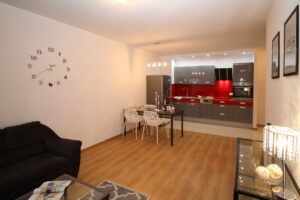
Rent is the largest line item in most budgets. In Santiago, a one-bedroom apartment in a decent neighborhood like Providencia, Ñuñoa, or Las Condes costs 500 to 800 USD per month. A two-bedroom ranges from 700 to 1,200 USD. Furnished apartments cost 20 to 30 percent more.
Outside Santiago, prices drop sharply. In Valparaíso, a one-bedroom is 300 to 450 USD. In Concepción, 250 to 400 USD. In Puerto Varas, 350 to 500 USD. The trade-off is smaller rental markets, fewer furnished options, and less inventory overall.
Utilities are separate and add 80 to 150 USD per month in Santiago. Electricity is the largest component, especially in winter when heating is necessary. Gas and water are cheaper. Internet costs 25 to 40 USD for a reliable connection.
Food and Groceries
Grocery shopping in Chile is straightforward but not cheap by regional standards. A weekly grocery bill for one person is 60 to 100 USD, depending on diet and preferences. Fresh produce is affordable and high quality. Meat is more expensive than in Argentina but cheaper than in Europe. Imported goods, cheese, wine, and specialty items carry a premium.
Eating out varies widely. A meal at a casual picada costs 8 to 12 USD. A mid-range restaurant is 15 to 25 USD per person. A high-end meal in Santiago can reach 50 to 100 USD. Lunch specials, called menú del día or colación, are the best value. Many restaurants offer a fixed lunch menu for 6 to 10 USD, including a main dish, drink, and sometimes dessert.
Street food is cheap and good. A completo is 3 to 5 USD. Empanadas are 2 to 4 USD. These are not gourmet meals, but they are filling and authentic.
Transportation
Public transport in Santiago is affordable. A single metro or bus ride costs 720 to 830 CLP, roughly 0.80 to 0.90 USD. A monthly Bip! card pass for unlimited travel is around 30 USD. Taxis and ride-hailing apps are reasonable for short trips. An Uber across the city costs 5 to 12 USD.
Owning a car is expensive. Gasoline is 1.30 to 1.50 USD per liter. Insurance, parking, and maintenance add up. Most expats in Santiago do not own cars. In smaller cities, a car is more useful but still costly.
Long-distance buses are the standard for intercity travel. A bus from Santiago to Valparaíso is 5 to 8 USD. To Puerto Montt, 30 to 50 USD. Flights are faster but more expensive. Santiago to Calama is 100 to 200 USD. Santiago to Puerto Natales is 150 to 300 USD, depending on season.
Healthcare
Chile has a dual healthcare system. The public system, FONASA, is affordable but has long wait times. The private system, ISAPRE, is faster and more comfortable but costs more. Most expats choose ISAPRE.
Monthly ISAPRE premiums range from 100 to 300 USD, depending on age and plan. Doctor visits are 30 to 80 USD. Specialist consultations are 50 to 120 USD. Emergency care at private clinics is expensive without insurance. A visit to the ER can cost 200 to 500 USD.
Travel insurance is essential for short-term visitors. For long-term residents, enrolling in ISAPRE or FONASA is necessary.
Entertainment and Lifestyle
A gym membership in Santiago is 30 to 60 USD per month. Cinema tickets are 6 to 10 USD. A beer at a bar is 3 to 5 USD. A bottle of decent Chilean wine at a supermarket is 8 to 15 USD. Concert and theater tickets vary but are generally cheaper than in North America or Europe.
Outdoor activities are often free or cheap. Hiking in national parks costs 10 to 30 USD for entrance fees. Beach access is free. Cycling is growing in Santiago, and bike rentals are affordable.
Monthly Budget Examples
Frugal Lifestyle (Single, Santiago)
- Rent (shared apartment or outer neighborhood): 400 USD
- Utilities: 60 USD
- Food (mostly cooking): 250 USD
- Transport: 40 USD
- Healthcare: 100 USD
- Miscellaneous: 100 USD
- Total: ~950 USD
Comfortable Lifestyle (Single, Santiago)
- Rent (one-bedroom, good neighborhood): 700 USD
- Utilities: 120 USD
- Food (mix of cooking and eating out): 400 USD
- Transport: 80 USD
- Healthcare: 200 USD
- Entertainment: 150 USD
- Total: ~1,650 USD
Comfortable Lifestyle (Single, Smaller City)
- Rent (one-bedroom): 400 USD
- Utilities: 80 USD
- Food: 350 USD
- Transport: 60 USD
- Healthcare: 150 USD
- Entertainment: 100 USD
- Total: ~1,140 USD
Money-Saving Tips
Shop at local markets instead of supermarkets for produce. The quality is better, and the prices are lower. Use the metro instead of taxis. Eat lunch at places that offer colación. Buy Chilean wine instead of imports. Use a debit card that refunds ATM fees. Avoid exchanging money at airports; use ATMs for the best rates.
Before you commit to a budget, understand which city fits your lifestyle and income. Our guide to Best Cities to Live in Chile for Expats and Remote Workers compares costs and quality of life across Santiago, Valparaíso, and smaller cities.

Cole Brennan is a travel writer and relocation advisor who has lived in Santiago, Chile since 2019. Before moving, he spent five years guiding group tours across Patagonia and the Atacama Desert. He now writes practical guides for travelers and expats based on firsthand experience navigating Chile’s visa systems, rental markets, and regional transport networks.