By Cole Brennan | Published: December 12, 2025 | Updated: June 2, 2026
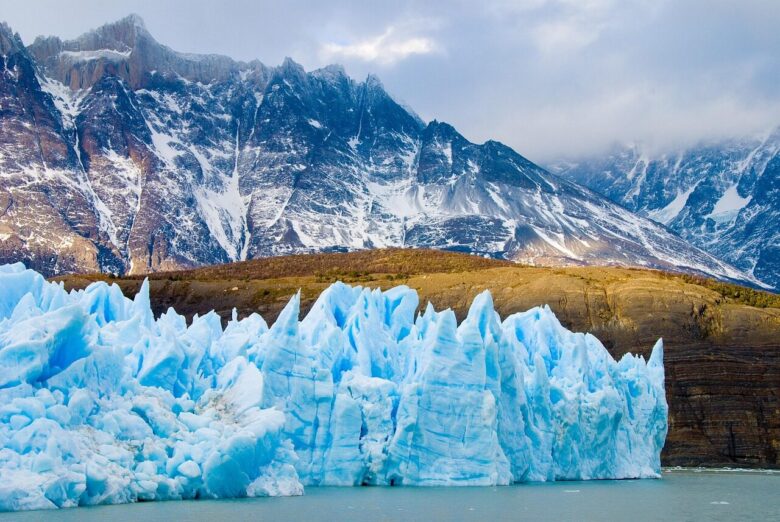
Patagonia is the reason many people come to Chile, and it is the reason many of them come back. The scale is impossible to describe accurately. Glaciers that glow blue in overcast light, granite towers that catch the sunrise like they are on fire, wind that reshapes your understanding of what weather can do. After five years of guiding tours through this region, I can tell you that Patagonia is not a place you visit casually. It demands preparation, respect, and the right expectations. This guide is for first-time visitors who want to do it right.
Where Patagonia Actually Is
Chilean Patagonia covers the southern third of the country, from Puerto Montt to Cape Horn. For most travelers, “Patagonia” means two specific areas: Torres del Paine National Park and the surrounding region, and the Carretera Austral, the remote highway that runs through northern Patagonia. This guide focuses on Torres del Paine, which is the most accessible and the most visited.
The gateway town is Puerto Natales, a small fishing and tourism hub on the Seno Última Esperanza. It is where you arrive, stock up, and recover. From Puerto Natales, Torres del Paine is a two-hour drive to the park entrance.
When to Go
Summer, December to February, is the peak season. Days are long, trails are fully open, and the weather is at its most stable. It is also the most crowded and expensive. Book accommodation six months in advance if you want to visit in January.
Shoulder seasons, late October to November and March to April, are the sweet spot for experienced travelers. The crowds thin, prices drop, and the weather is still manageable. Early November is my personal favorite. The wind is strong but the trails are quiet, and the light is exceptional.
Winter, May to August, is for specialists. Most refugios close, some trails are inaccessible, and daylight is limited. The wind is extreme, and snow is common. If you go in winter, you need mountaineering experience and self-sufficiency.
Getting There
Most visitors fly from Santiago to Puerto Natales or Punta Arenas. Puerto Natales is closer to the park, but flights are less frequent and more expensive. Punta Arenas has more connections and cheaper flights, but it is a three-hour bus ride to Puerto Natales.
Buses from Puerto Natales to Torres del Paine run daily in summer, less frequently in shoulder season. The ride is two hours to the park entrance. If you are doing the W Trek, you need to book a bus that drops you at the correct trailhead.
Rental cars are available in Puerto Natales and give you flexibility. A 4×4 is recommended for gravel roads and variable weather. Book in advance for summer. The inventory is limited.
The W Trek: What You Need to Know
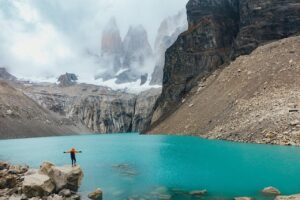
The W Trek is the most famous hike in Patagonia and one of the most iconic in the world. It is a five-day, 80-kilometer route that forms a W shape on the map, passing the three major highlights: the Torres del Paine towers, the French Valley, and Grey Glacier.
The trek is not technically difficult, but it is physically demanding. The terrain is uneven, the wind is constant, and the weather changes within hours. You need to be in decent shape, but you do not need to be an athlete. What you do need is the right gear and the right mindset.
There are two ways to do the W Trek: staying in refugios or camping. Refugios are basic mountain lodges with dormitory beds, meals, and hot showers. They are expensive, 100 to 150 USD per night with full board, but they eliminate the need to carry a tent and cooking gear. Camping is cheaper but requires carrying more equipment. Some campsites have pre-set tents and sleeping bags for rent, which is a middle ground.
Booking the W Trek requires advance planning. The park limits daily visitors, and refugio space fills months ahead. Use the official booking platforms or go through a tour operator. Do not show up expecting to find a bed.
Day Hikes for Non-Trekkers
If you do not have five days or the fitness for the W Trek, Torres del Paine still delivers. The Mirador Las Torres is a long day hike, eight to ten hours round trip, and it is the most dramatic view in the park. The trail to Grey Glacier is shorter and easier, with a boat option for part of the route. The Salto Grande waterfall is a quick walk from the road and offers excellent photo opportunities.
These day hikes do not require advance booking, but you still need park entrance tickets. Buy them online before you arrive to avoid lines at the gate.
Essential Gear
The weather in Patagonia is not bad. It is extreme. You can experience sun, rain, snow, and wind in the same hour. The right gear is the difference between a memorable trip and a miserable one.
- Waterproof shell: Not water-resistant. Waterproof. The rain here is horizontal, and it finds every gap.
- Layered clothing: Base layer, mid-layer fleece, and the shell. Merino wool is ideal.
- Sturdy hiking boots: Broken in before you arrive. Blisters on day one ruin the whole trek.
- Gaiters: Keep mud, water, and debris out of your boots.
- Trekking poles: Essential for stability on uneven terrain and river crossings.
- Sun protection: The ozone layer is thin here. SPF 50+, sunglasses, and a hat are mandatory.
- Headlamp: For early starts and refugio dorms.
- Quick-dry towel: Refugios do not provide them.
Pack for the worst weather, not the forecast. The forecast in Patagonia is a suggestion, not a promise.
Food and Water
Water is safe to drink from streams in most of the park. The water is glacial, cold, and clean. Carry a water bottle and refill as you go. In the refugios, meals are provided. If you are camping, bring lightweight, high-calorie food. You burn more energy than you expect in this wind and cold.
Puerto Natales has good supermarkets for stocking up before you enter the park. Buy snacks, energy bars, and anything you need for the trail. Prices inside the park are inflated.
Practical Tips
- Book everything in advance for summer. Refugios, campsites, buses, and park entrance.
- Arrive in Puerto Natales at least one day before your trek. Use the day to organize gear, buy supplies, and rest.
- Bring Chilean pesos in cash. Card payments are not reliable in the park.
- Charge all devices before entering the park. Electricity is limited in refugios and nonexistent in campsites.
- Respect the park rules. Stay on trails, do not feed animals, and carry out all trash.
- Guemes are the park rangers. They are knowledgeable and helpful. Ask them questions.
Beyond Torres del Paine
If you have extra time, the surrounding region offers more. The Balmaceda and Serrano glaciers are accessible by boat from Puerto Natales. The Milodon Cave is a short drive from town and offers a glimpse of prehistoric Patagonia. Punta Arenas has penguin colonies and a historic downtown worth a half day.
The Carretera Austral is for a different trip. It is remote, beautiful, and requires a 4×4 and more time. Save it for when you have already done Torres del Paine and want to go deeper.
Patagonia is only one part of Chile. Before you commit to this region, understand what the rest of the country offers and how it fits your timeline. Our guide to Best Places to Visit in Chile for First-Time Travelers compares Patagonia, the Atacama, and the Lake District to help you build the right itinerary.
Cole Brennan is a travel writer and relocation advisor who has lived in Santiago, Chile since 2019. Before moving, he spent five years guiding group tours across Patagonia and the Atacama Desert. He now writes practical guides for travelers and expats based on firsthand experience navigating Chile’s visa systems, rental markets, and regional transport networks.