By Cole Brennan | Published: November 26, 2025 | Updated: June 6, 2026
Chile does not have one best time to visit. It has four distinct climates spread across 4,300 kilometers, and the ideal season depends entirely on where you are going and what you want to do. Summer in Patagonia is winter in Santiago. The Atacama is dry year-round but brutally cold at night in July. After five years of guiding tours and living through every season, this is how to time your trip correctly.
Summer: December to February
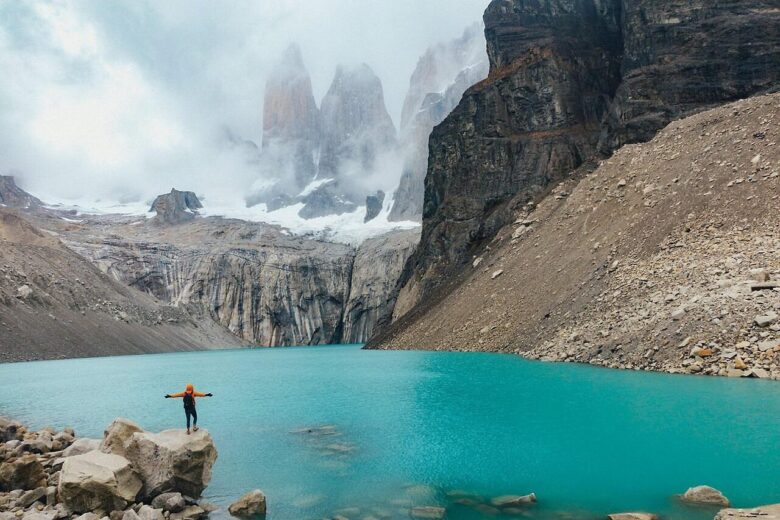
Summer is peak season for Patagonia and the Lake District. Days are long, temperatures are mild, and the trails are fully accessible. Torres del Paine is at its best, with clear skies and manageable wind. This is also when the W Trek and O Circuit are fully open, and all refugios and campsites operate.
The downside is crowds and cost. Accommodation in Puerto Natales and Puerto Varas books out months in advance. Prices rise 30 to 50 percent above shoulder season. Flights to Patagonia are expensive and fill fast. If you want to visit in summer, book everything by September.
Santiago is hot and dry in summer, with temperatures reaching 30 to 35 degrees Celsius. The smog clears, and the city feels more alive. Coastal towns like Viña del Mar and Valparaíso are packed with domestic tourists. Beaches are crowded, and accommodation is scarce.
The Atacama is warm during the day but still cold at night. This is the most comfortable season for desert excursions, but it is also the busiest. San Pedro de Atacama fills with tour groups, and the popular sites feel crowded.
Fall: March to May
Fall is the best season for wine regions. The harvest is over, the vineyards are turning color, and the crowds have thinned. The Colchagua and Casablanca valleys are beautiful in April and May. Santiago is mild, and the air quality improves as temperatures drop.
Patagonia in fall is quieter but riskier. The weather turns faster, and some services close after Easter. Early March is still good. Late May is unpredictable. Snow can fall in the mountains, and the wind intensifies. If you want Patagonia without the crowds, early fall is your window.
The Atacama in fall is excellent. Temperatures are comfortable, the skies are clear, and the crowds are gone. This is the season I recommend most for desert travel. Prices drop, and you can book tours with a day’s notice instead of weeks.
Winter: June to August
Winter is ski season in the Andes. Portillo, Valle Nevado, and Termas de Chillán are the main resorts. Snow conditions are reliable, and the resorts are well-developed. Santiago is cold and smoggy, with temperatures dropping to near freezing at night. The city feels quieter, and many restaurants close for renovations.
Patagonia in winter is harsh. Most trails in Torres del Paine are closed or inaccessible. The wind is extreme, and daylight is limited to six or seven hours. Some hardcore trekkers go, but it is not for casual visitors. Puerto Natales is a ghost town.
The Atacama in winter is cold. Daytime temperatures are still pleasant, but nights drop below freezing. The advantage is the clearest skies of the year. This is the best season for stargazing and astrophotography. The Milky Way is visible in stunning detail, and the major observatories run their best programs.
Coastal cities in winter are quiet and cheap. Valparaíso and Viña del Mar have a melancholic charm, but the weather is cool and overcast. Not ideal for beach time, but good for city exploration without crowds.
Spring: September to November
Spring is underrated. The wildflowers bloom in Patagonia, the weather stabilizes, and the crowds have not arrived yet. September and October are particularly good for Torres del Paine. The trails are open, the wind is manageable, and the accommodation is available.
Santiago in spring is pleasant. The smog is still present but less severe than winter. The city feels optimistic, and outdoor cafes reopen. The Lake District is green and fresh after the winter rains.
The Atacama in spring is similar to fall. Good weather, fewer tourists, and lower prices. The only downside is occasional dust storms in September, which are rare but can disrupt visibility.
Cost Comparison by Season
| Region | Peak Season | Shoulder Season | Low Season |
|---|---|---|---|
| Patagonia | Dec-Feb (high) | Mar-Apr, Sep-Nov (medium) | May-Aug (low) |
| Atacama | Dec-Feb (high) | Mar-May, Sep-Nov (medium) | Jun-Aug (low) |
| Santiago | Dec-Feb (medium) | Mar-May, Sep-Nov (low) | Jun-Aug (low) |
| Lake District | Dec-Feb (high) | Mar-Apr, Oct-Nov (medium) | May-Sep (low) |
| Coast | Dec-Feb (high) | Mar-Apr (medium) | May-Nov (low) |
Regional Recommendations
For Patagonia: Visit in late October to early November or late March to early April. You get good weather, open trails, and half the crowds of peak season.
For the Atacama: Visit in April, May, September, or October. The weather is ideal, prices are lower, and you avoid the summer tour groups.
For Santiago and wine regions: Visit in March, April, or October. The weather is mild, the harvest is recent, and the city is at its most pleasant.
For skiing: July and August are the core months. June is early and variable. September is late but can offer good spring snow.
For budget travelers: June to August is the cheapest season overall. Accommodation is discounted, flights are cheaper, and tourist sites are empty. The trade-off is weather and limited access in Patagonia.
Once you know when to go, you need to know what to bring. Our What to Pack for Chile: Complete Travel Checklist covers the gear that works across every season and region.
Cole Brennan is a travel writer and relocation advisor who has lived in Santiago, Chile since 2019. Before moving, he spent five years guiding group tours across Patagonia and the Atacama Desert. He now writes practical guides for travelers and expats based on firsthand experience navigating Chile’s visa systems, rental markets, and regional transport networks.